
 PollyMap
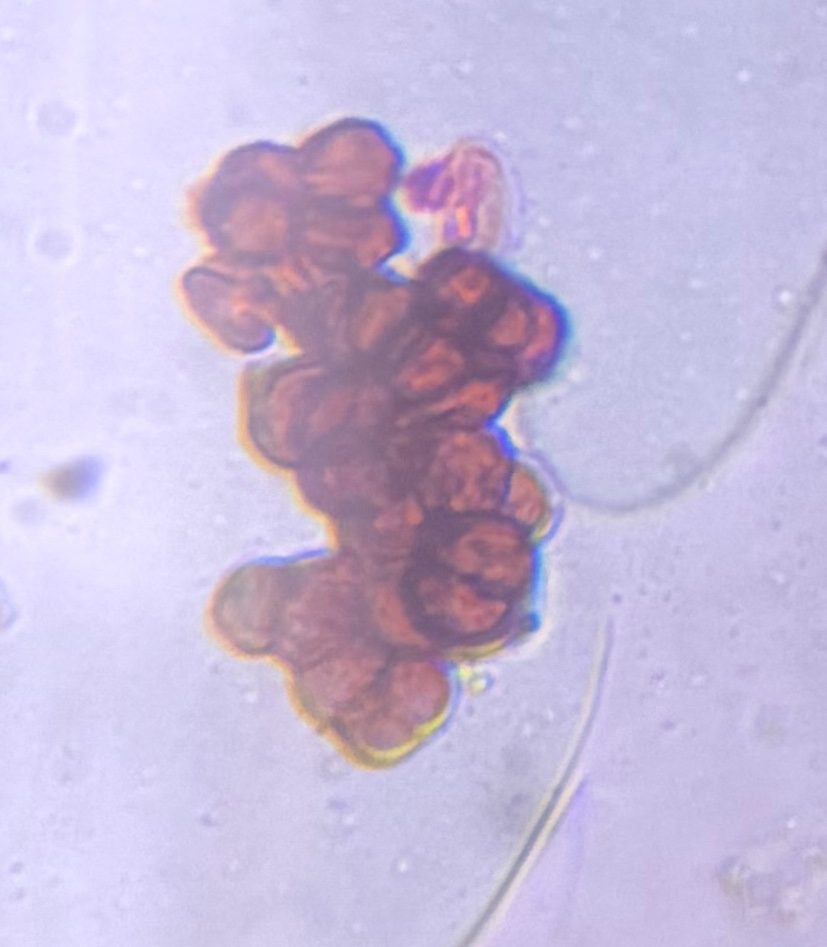
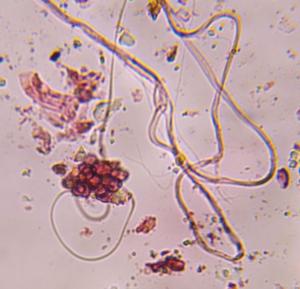
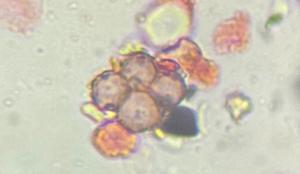
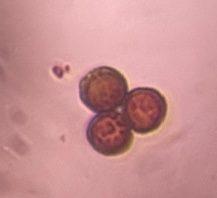
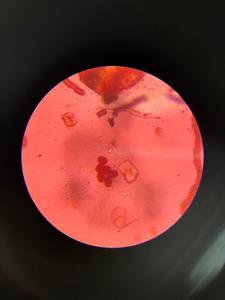
Epicoccum mold spore photographed through the microscope in the PollyKit lab — verified in Arizona.
More verified photos of Epicoccum

About epicoccum mold spores
A round, warty, dark mold spore from decaying plants, common in outdoor air after wet weather.
Where it grows
- Dead leaves, stems and grass litter
- Soil and compost
- Stored seed and hay
- Water-damaged indoor materials
How to recognize it
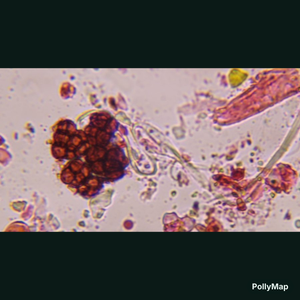
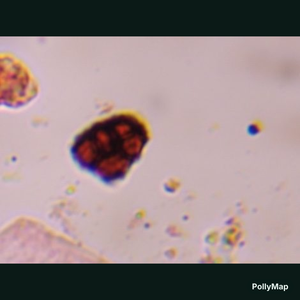
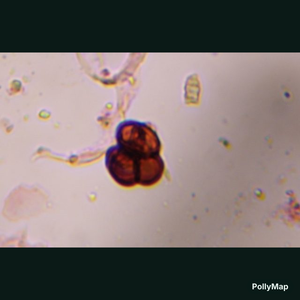
Nearly spherical, golden-brown to dark brown spore with a rough, warty surface and irregular internal walls dividing it into many compartments. Often has a short broken attachment scar.
Typical published size: 15–25 µm
Commonly confused with
- Pithomyces — more barrel-shaped with cleaner crosswalls
- Rust and smut spores — thinner walls and different ornament pattern
Allergy relevance
Moderately allergenic and can contribute to mold-driven rhinitis and asthma, especially during damp, humid stretches and after rain.
Where it's found
PollyMap has verified specimens of Epicoccum from Arizona.
Worldwide, and reported in outdoor air across the United States.
Also searched as: epicoccum spore, epicoccum nigrum, epicoccum under microscope, mold spore identification.
Related mold specimens
Citing this specimen: PollyMap Specimen Library. “Epicoccum — verified microscope specimen.” pollymap.com/library/specimen/epicoccum-mold-spore-arizona-d07de8
Expert discussion
No published comments yet. If you study palynology or mycology, we'd value your read on this specimen.