
 PollyMap
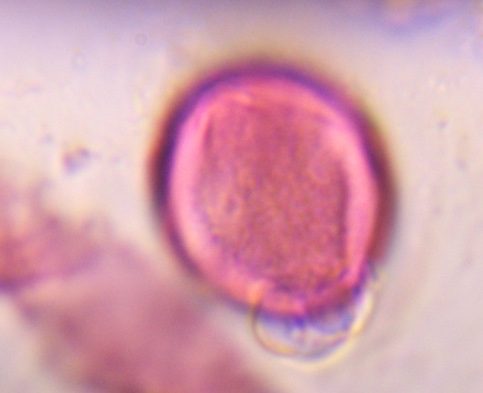
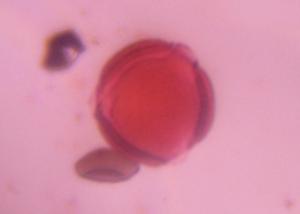
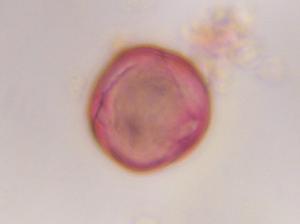
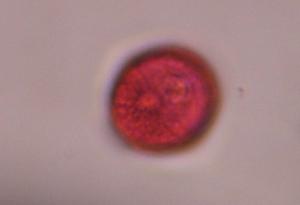
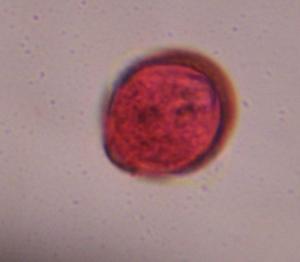
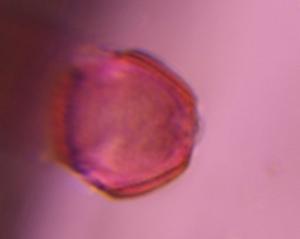
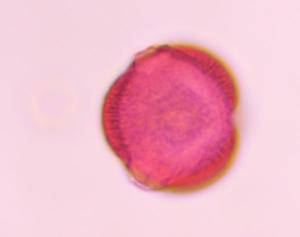
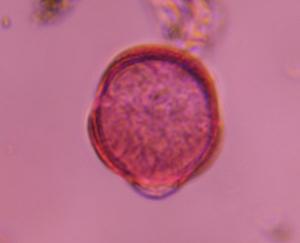
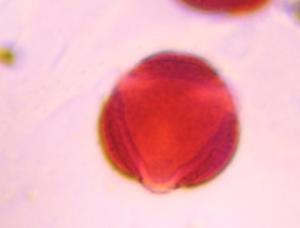
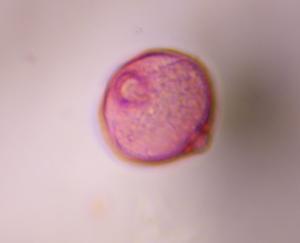
Artemisia pollen photographed through the microscope in the PollyKit lab — verified in Arizona.
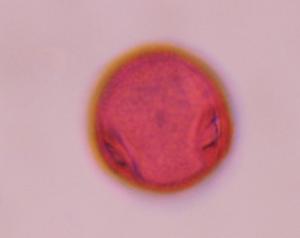
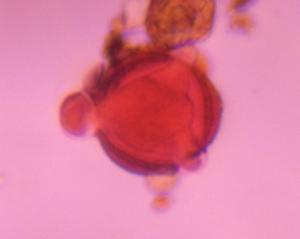
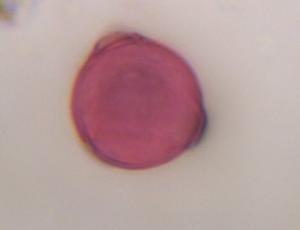
More verified photos of Artemisia
About sagebrush and mugwort pollen (artemisia)
The wind-carried pollen of sagebrush, mugwort and wormwood — a major late-season allergen in the West.
Plants that produce it
- Big sagebrush (Artemisia tridentata) across the Great Basin
- Common mugwort in disturbed ground and roadsides
- Annual and sand sagebrush on the plains
- Ornamental wormwoods and dusty miller
How to recognize it
Roughly spherical to oval grain with three furrows, a noticeably thick wall and a very short, fine spiny surface — blunter and lower than true ragweed spines.
Typical published size: 18–28 µm
Commonly confused with
- Ragweed pollen — spines are longer, sharper and more widely spaced
- Other Asteraceae pollen — heavier spines and thinner walls
Allergy relevance
Strongly allergenic and a primary late-summer to autumn trigger in the Intermountain West. Cross-reacts with ragweed and with some foods in oral allergy syndrome.
Where it's found
PollyMap has verified specimens of Artemisia from Arizona.
Dominant across the Great Basin, Rocky Mountain states and high desert; mugwort is widespread nationally.
Also searched as: artemisia pollen, sagebrush pollen, mugwort pollen, wormwood pollen.
Related pollen specimens
Citing this specimen: PollyMap Specimen Library. “Artemisia — verified microscope specimen.” pollymap.com/library/specimen/artemisia-pollen-7a19ed
Expert discussion
No published comments yet. If you study palynology or mycology, we'd value your read on this specimen.