
 PollyMap
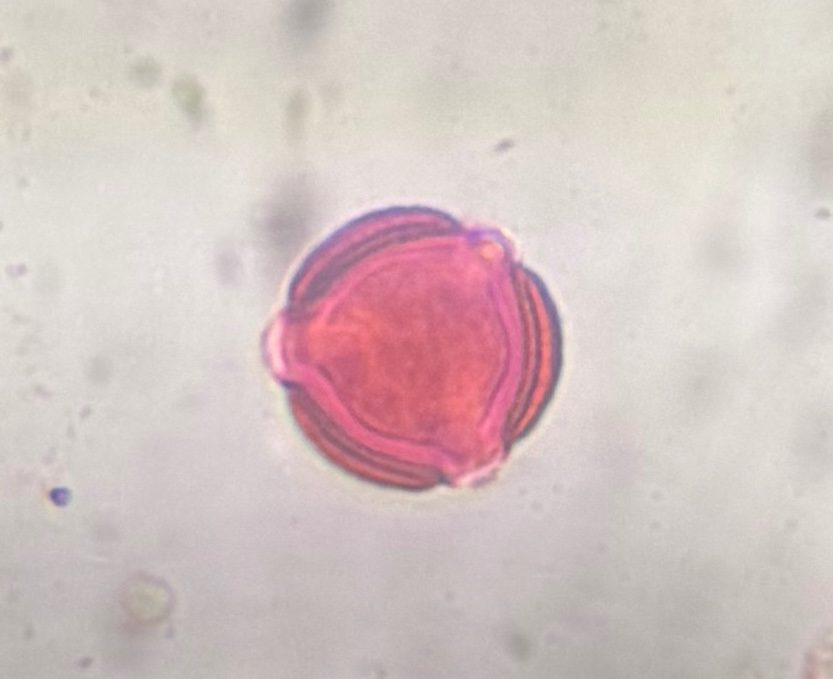
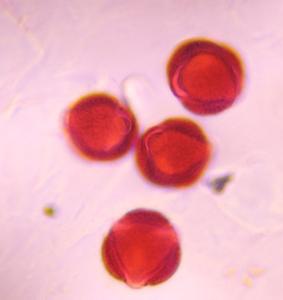
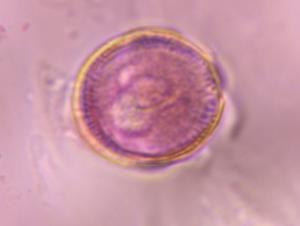
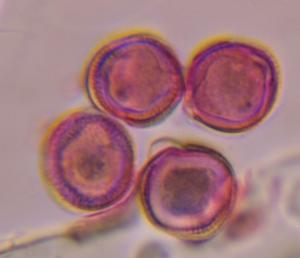
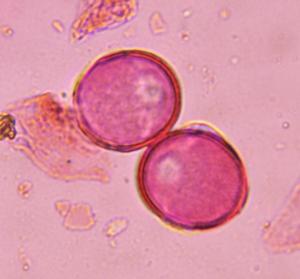
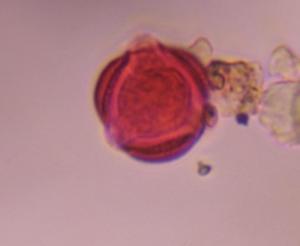
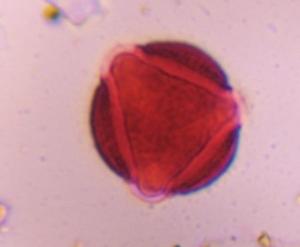
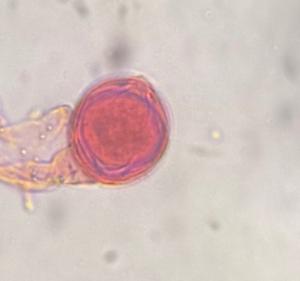
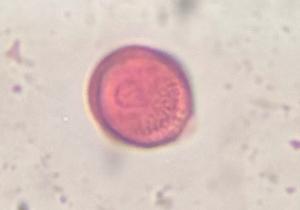
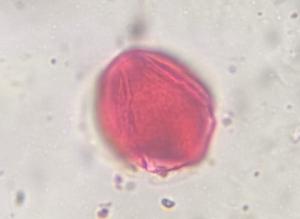
Artemisia pollen photographed through the microscope in the PollyKit lab.
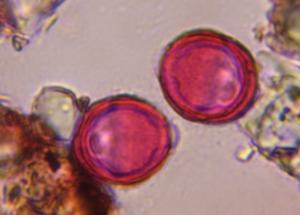
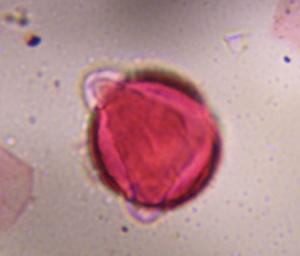
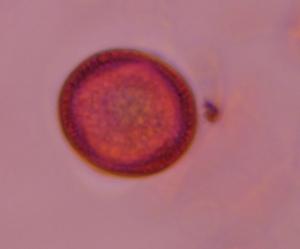
More verified photos of Artemisia
About sagebrush and mugwort pollen (artemisia)
The wind-carried pollen of sagebrush, mugwort and wormwood — a major late-season allergen in the West.
Plants that produce it
- Big sagebrush (Artemisia tridentata) across the Great Basin
- Common mugwort in disturbed ground and roadsides
- Annual and sand sagebrush on the plains
- Ornamental wormwoods and dusty miller
How to recognize it
Roughly spherical to oval grain with three furrows, a noticeably thick wall and a very short, fine spiny surface — blunter and lower than true ragweed spines.
Typical published size: 18–28 µm
Commonly confused with
- Ragweed pollen — spines are longer, sharper and more widely spaced
- Other Asteraceae pollen — heavier spines and thinner walls
Allergy relevance
Strongly allergenic and a primary late-summer to autumn trigger in the Intermountain West. Cross-reacts with ragweed and with some foods in oral allergy syndrome.
Where it's found
Dominant across the Great Basin, Rocky Mountain states and high desert; mugwort is widespread nationally.
Also searched as: artemisia pollen, sagebrush pollen, mugwort pollen, wormwood pollen.
Related pollen specimens
Citing this specimen: PollyMap Specimen Library. “Artemisia — verified microscope specimen.” pollymap.com/library/specimen/artemisia-pollen-5291f0
Expert discussion
No published comments yet. If you study palynology or mycology, we'd value your read on this specimen.