
 PollyMap
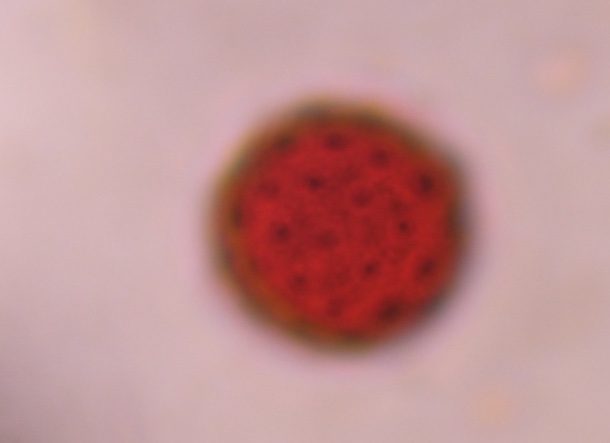
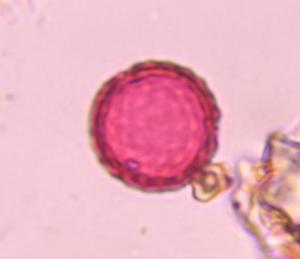
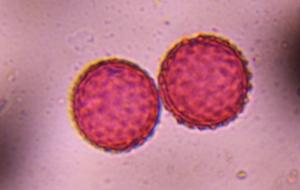
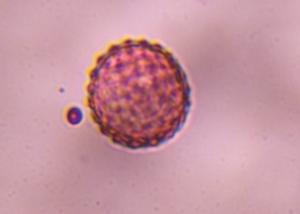
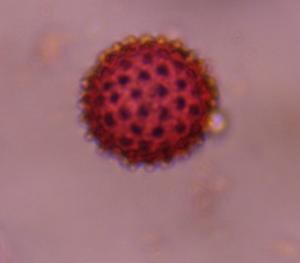
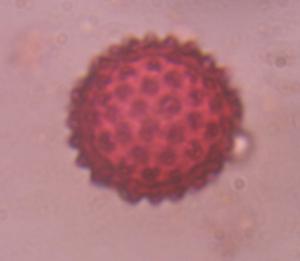
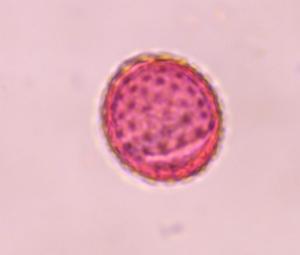
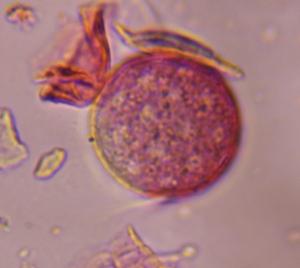
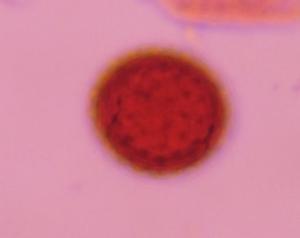
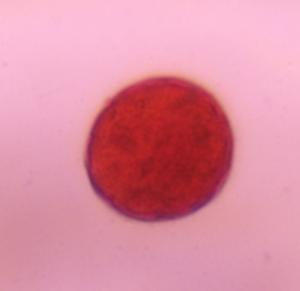
Chenopod pollen photographed through the microscope in the PollyKit lab — verified in Arizona.
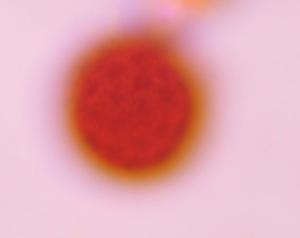
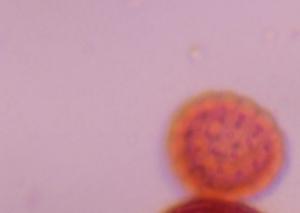
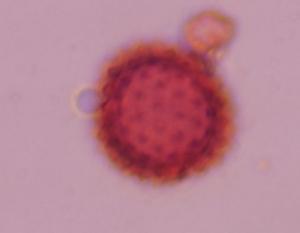
More verified photos of Chenopod
About chenopod pollen
A small, golf-ball-like weed pollen produced by saltbush, goosefoot and pigweed — one of the heaviest allergy loads in the arid Southwest.
Plants that produce it
- Four-wing saltbush and other Atriplex shrubs
- Lamb's quarters / goosefoot (Chenopodium album)
- Careless weed and other pigweeds (Amaranthus)
- Russian thistle / tumbleweed (Salsola)
- Iodine bush and quailbush in alkaline soils
How to recognize it
Spherical grain with dozens of evenly spaced round pores scattered across the whole surface (pantoporate), giving the classic golf-ball look. The wall is thin and smooth between pores, and grains often appear slightly collapsed on a dry mount.
Typical published size: 20–30 µm
Commonly confused with
- Nettle and hemp pollen — smaller and with only a few pores, not dozens
- Plantain pollen — pores are fewer, larger and set in a thicker wall
- Smut spores — no pores at all, and darker, more granular walls
Allergy relevance
Strongly allergenic and a major driver of late-summer and autumn hay fever in desert cities. Common symptoms are sneezing, clear runny nose, itchy eyes and asthma flare-ups.
Where it's found
PollyMap has verified specimens of Chenopod from Arizona.
Abundant across the Southwest, Great Basin, Texas and California, and present as weedy species throughout most of North America.
Also searched as: chenopod pollen, saltbush pollen, goosefoot pollen, pigweed pollen, careless weed pollen, atriplex pollen, chenopodium pollen.
Related pollen specimens
Citing this specimen: PollyMap Specimen Library. “Chenopod — verified microscope specimen.” pollymap.com/library/specimen/chenopod-pollen-63b809
Expert discussion
No published comments yet. If you study palynology or mycology, we'd value your read on this specimen.