
 PollyMap
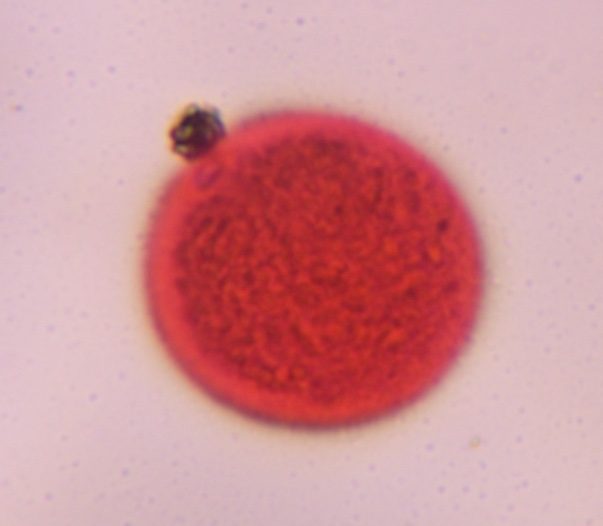
Grass pollen pollen photographed through the microscope in the PollyKit lab.
About grass pollen
Single-pored pollen from lawn, pasture and ornamental grasses — the most widespread hay fever trigger there is.
Plants that produce it
- Bermuda grass, the dominant lawn grass of the warm South and Southwest
- Ryegrass, fescue and Kentucky bluegrass in cooler turf
- Johnson grass and other roadside pasture grasses
- Cereal crops including corn and wheat
How to recognize it
A round grain with one circular pore set in a thickened ring, smooth walls and very little other surface detail.
Typical published size: 25–40 µm
Commonly confused with
- Sedge pollen — often triangular in outline
- Smut spores — no pore, darker wall
Allergy relevance
Highly allergenic, causing sneezing, runny nose, itchy eyes and asthma symptoms through the growing season.
Where it's found
All fifty states, with the longest seasons in the South and Southwest.
Also searched as: grass pollen, lawn grass pollen, bermuda grass pollen microscope.
Related pollen specimens
Citing this specimen: PollyMap Specimen Library. “Grass pollen — verified microscope specimen.” pollymap.com/library/specimen/grass-pollen-4f9ebf
Expert discussion
No published comments yet. If you study palynology or mycology, we'd value your read on this specimen.