
 PollyMap
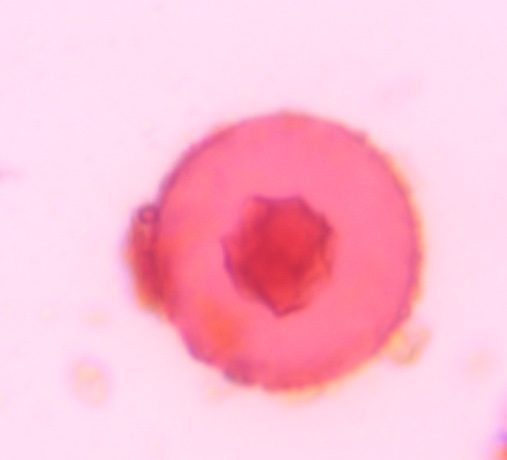
Juniper/Cupressaceae pollen photographed through the microscope in the PollyKit lab.
About airborne pollen grain
A pollen grain captured from outdoor air and reviewed by hand in the PollyKit lab.
Plants that produce it
- Wind-pollinated trees, grasses and weeds in the surrounding landscape
How to recognize it
Pollen is identified from wall thickness, surface ornament and the number and arrangement of pores and furrows. Where those features do not narrow the grain to a single plant group, we publish it at the level the evidence supports rather than guessing.
Allergy relevance
Allergy impact depends on the plant group. Wind-pollinated trees, grasses and weeds account for nearly all seasonal hay fever; insect-pollinated flowers rarely reach the air in quantity.
Where it's found
Airborne pollen is present in every US state, with season timing set by local climate.
Also searched as: pollen under microscope, pollen grain image, airborne pollen identification.
Related pollen specimens
Citing this specimen: PollyMap Specimen Library. “Juniper/Cupressaceae — verified microscope specimen.” pollymap.com/library/specimen/juniper-cupressaceae-pollen-9bdf34
Expert discussion
No published comments yet. If you study palynology or mycology, we'd value your read on this specimen.