Airborne mold · The field guide
Mold Counts by ZIP Code & Area
Mold isn't always something you can see on a wall. Tiny spores also travel through the air. Get to know them, explore local findings, and check the air where you live.
Real samples. PollyKit Lab analysis. Local findings come from collected air samples, using microscopy, AI-assisted identification and peer review—not a humidity-based forecast. Reports reflect the sample collected, not a live reading for every ZIP code.
Your home. Your yard. Your air.
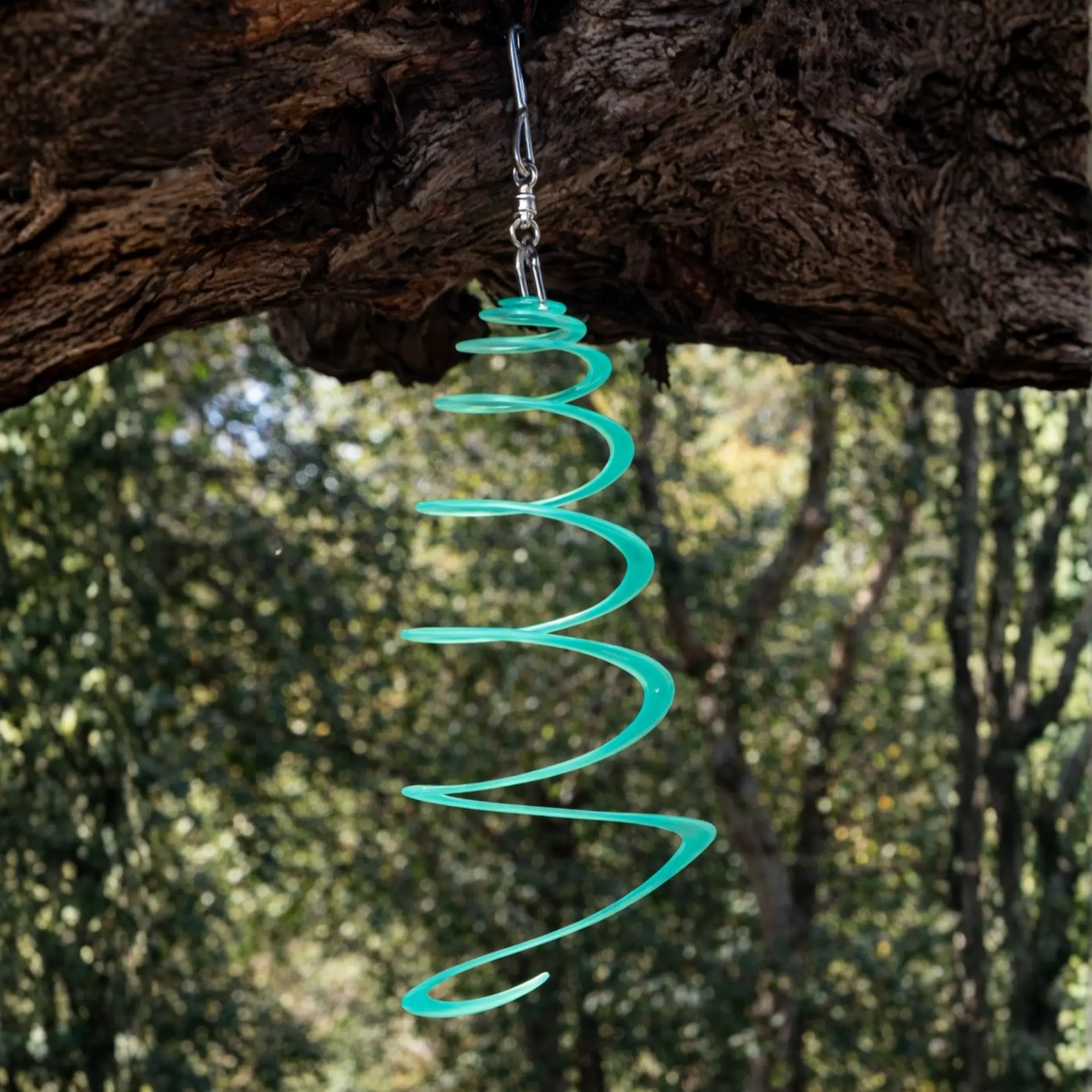
Check for airborne mold with PollyKit
Curious about what's floating around your own space? Use a PollyKit to collect an air sample in your yard or home, then send it back for PollyKit Lab analysis of airborne mold spores and pollen.
Shop at pollykit.com. Follow the kit's collection and return instructions.
A closer look
Meet the spores in our library
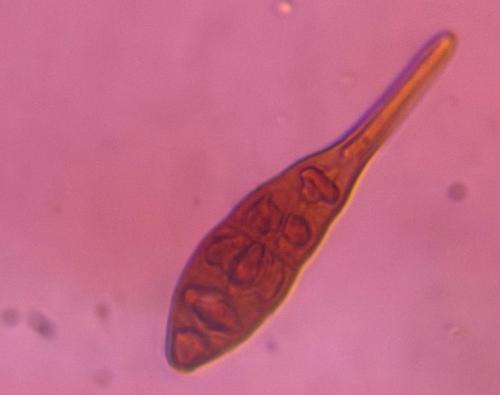
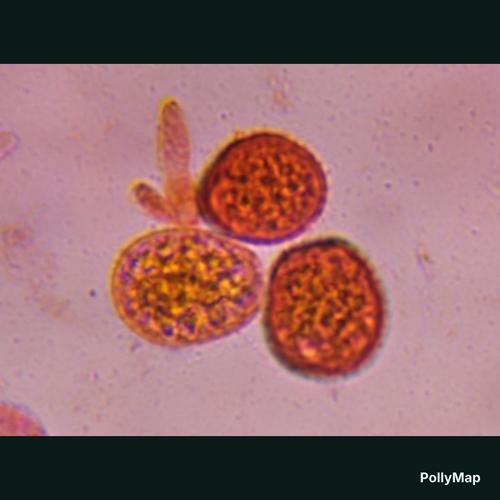
Real microscope captures from the public PollyMap library. These are reference specimens, not a reading of the air at your address.
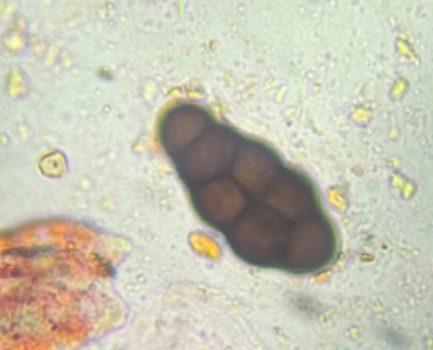
Cladosporium
Common around leaves and vegetation. Its spores often appear in outdoor air, especially in warmer months.
Under the microscope: Look for small, pigmented spores, sometimes in chains.
Read the guideAlternaria
Associated with plants and decaying organic material. A relevant allergen for some people with mold sensitivity.
Under the microscope: Often has dark, elongated spores divided into compartments.
Read the guideAspergillus & Penicillium
Found in a variety of indoor and outdoor environments. These two groups can be difficult to distinguish in air samples.
Under the microscope: Small, round spores can look very similar under the microscope.
Read the guideSpore appearance varies. A photo alone is not enough to confirm an identification or assess health risk.
The air around you
Outside and inside: two different stories
In your yard
Soil, leaf litter, compost and plants are natural sources of fungal spores. Wind and changes in moisture can move them into the air—even when there's no visible mold nearby.
Conditions vary with weather, vegetation and season.
In your home
Outdoor spores can enter through doors, windows and ventilation. Indoor moisture or leaks can also support mold growth. An air sample offers one piece of the picture—not the whole building assessment.
Visible mold or water damage needs its own assessment.
Why compare indoor and outdoor air? Samples collected around the same time can add context to what is found indoors. Results depend on collection conditions and need careful interpretation; they don't establish that a home is safe or unsafe.
From air to answers
How a sample becomes a report
- 01
Collect
Place the PollyKit as directed. Airborne pollen and mold spores settle onto its collection surface during the sampling period.
- 02
Analyze
Return your sample to the PollyKit Lab for microscopy, AI-assisted identification and peer review.
- 03
Understand
Review the findings from your sample. Local public reports and your own sample answer different questions about the air around you.
Mold and allergy symptoms
For people sensitive to mold, exposure may be associated with sneezing, congestion, itchy eyes, coughing or wheezing. Symptoms alone can't identify the cause. An allergy provider can help assess recurring symptoms and whether testing is appropriate.
Find an Allergy ProviderFrequently asked questions
Can I get mold counts by ZIP code?
PollyMap publishes local mold spore findings from real air samples collected by partner clinics and collection stations. Browse your city's guide or subscribe with your ZIP code to be emailed when a report is published near you. Coverage depends on available samples; not every ZIP code has a current report.
Is a mold forecast the same as a measured mold report?
No. A forecast estimates conditions that may favor mold. A measured report describes findings from an actual air sample. Always check the report date and sampling location rather than assuming it represents today's air at your home.
When are outdoor mold levels highest?
Patterns vary by species and climate. Warm weather, decaying leaves and vegetation, and changes in moisture can all affect airborne spores. Some spores disperse in dry, breezy conditions, while others increase around wet weather.
Does PollyKit capture mold as well as pollen?
Yes. The PollyKit air sampler collects airborne pollen grains and fungal spores on the same collection surface. Follow the kit's instructions for sampling and return it for PollyKit Lab analysis.
Can an air sample tell me whether my home is safe?
An air sample is a snapshot of airborne particles, not a complete building assessment or medical diagnosis. It cannot rule out hidden mold or establish whether a space is safe. Visible mold, water damage or persistent moisture should be assessed separately by a qualified professional.
Educational information only. Air sampling does not diagnose allergies, locate hidden mold, or replace professional moisture and building assessments.