
 PollyMap
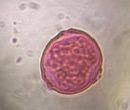
Mulberry pollen photographed through the microscope in the PollyKit lab — verified in Arizona.
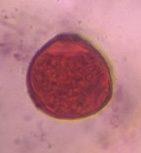
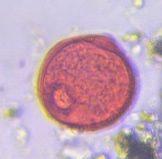
More verified photos of Mulberry
About mulberry pollen
A small two-pored tree pollen released in huge bursts by mulberries, notorious in desert cities where fruitless varieties were planted en masse.
Plants that produce it
- Fruitless / male white mulberry street trees
- White, red and black mulberry in yards and orchards
- Naturalized mulberry along washes and alleys
How to recognize it
Small, round to slightly oval grain with two pores set at opposite ends, a thin smooth wall and very little other ornament.
Typical published size: 16–24 µm
Commonly confused with
- Hackberry pollen — three to four pores and a thicker wall
- Nettle pollen — smaller with a granular surface
- Elm pollen — five pores and rippled wall
Allergy relevance
Strongly allergenic in high-density plantings; early spring peaks can be severe enough that some cities restrict new mulberry planting.
Where it's found
PollyMap has verified specimens of Mulberry from Arizona.
Planted and naturalized across most of the United States, with the heaviest loads in Southwest cities.
Also searched as: mulberry pollen, morus pollen, fruitless mulberry pollen, mulberry pollen allergy.
Related pollen specimens
Citing this specimen: PollyMap Specimen Library. “Mulberry — verified microscope specimen.” pollymap.com/library/specimen/mulberry-pollen-arizona-735eaa
Expert discussion
No published comments yet. If you study palynology or mycology, we'd value your read on this specimen.