
 PollyMap
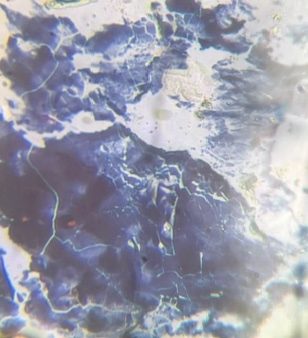
Amorphous Dust / Debris house dust photographed through the microscope in the PollyKit lab — verified in Arizona.
About house dust particle
Indoor dust material — mostly shed skin flakes, fibers and mineral grains — the matrix that carries dust mite allergen.
Plants that produce it
- Shed human and pet skin
- Textile and paper fibers
- Tracked-in soil and mineral dust
How to recognize it
Skin squames appear as thin, irregular, translucent plates with folded edges. Dust mite bodies and fragments, when present, show jointed legs and a striated cuticle.
Allergy relevance
Dust mites feed on shed skin, so skin-rich dust marks the habitat that produces the allergen. Dust mite sensitivity is a leading cause of year-round indoor allergy and asthma.
Where it's found
PollyMap has verified specimens of Amorphous Dust / Debris from Arizona.
Every occupied building; mite populations are highest in humid climates.
Also searched as: house dust under microscope, skin flake microscope, dust mite allergen.
Related dust specimens
Citing this specimen: PollyMap Specimen Library. “Amorphous Dust / Debris — verified microscope specimen.” pollymap.com/library/specimen/amorphous-dust-debris-arizona-b75b61
Expert discussion
No published comments yet. If you study palynology or mycology, we'd value your read on this specimen.