
 PollyMap
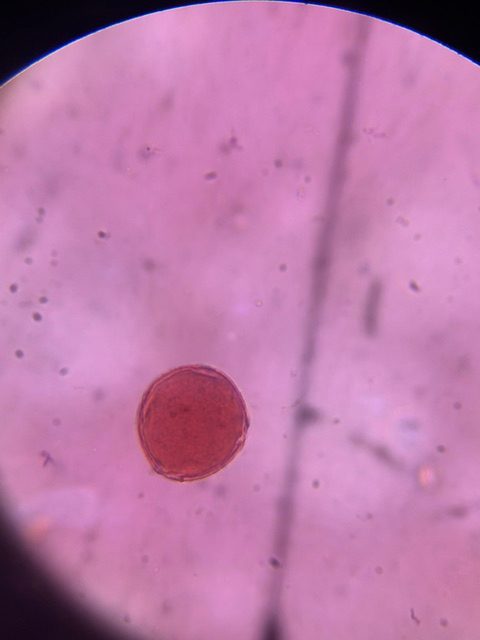
Elm (ulmus) pollen photographed through the microscope in the PollyKit lab — verified in Arizona.
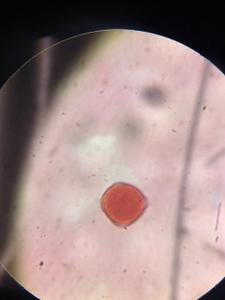
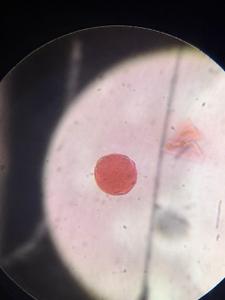
More verified photos of Elm (ulmus)
About elm pollen
An early-flowering tree pollen with five pores and a distinctive rippled wall.
Plants that produce it
- Siberian and Chinese elm, widely planted in dry regions
- American and slippery elm in the East and Midwest
- Naturalized elm along washes and fencelines
How to recognize it
Squat, roughly circular grain with about five pores around the equator and a wall marked by low wavy ridges (rugulate) that catch the light.
Typical published size: 25–40 µm
Commonly confused with
- Hackberry pollen — fewer pores and a smoother wall
- Oak pollen — long furrows rather than pores
Allergy relevance
Moderately allergenic, and one of the very first tree pollens of the year — late winter symptoms in elm country often come from it.
Where it's found
PollyMap has verified specimens of Elm (ulmus) from Arizona.
Across most of the United States, especially the Plains, Midwest and Southwest cities.
Also searched as: elm pollen, ulmus pollen, siberian elm pollen, elm pollen allergy.
Related pollen specimens
Citing this specimen: PollyMap Specimen Library. “Elm (ulmus) — verified microscope specimen.” pollymap.com/library/specimen/elm-ulmus-pollen-arizona-e6288c
Expert discussion
No published comments yet. If you study palynology or mycology, we'd value your read on this specimen.