
 PollyMap
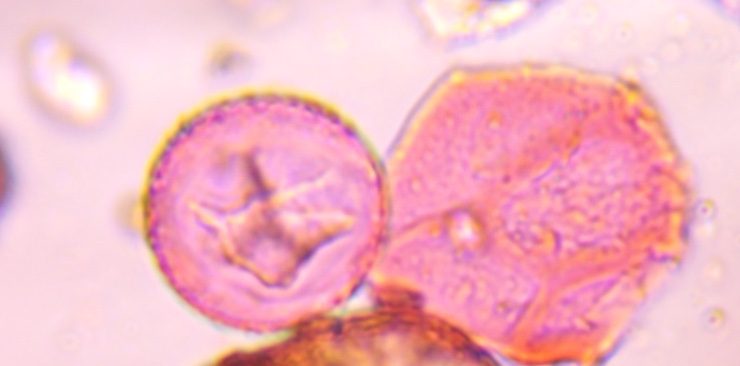
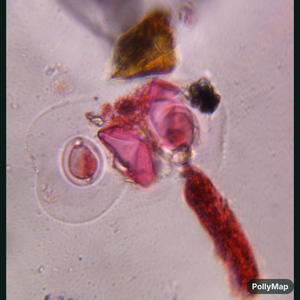
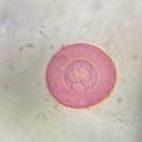
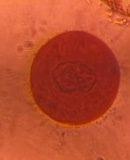
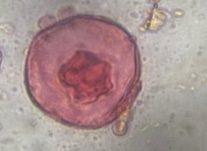
Juniper pollen photographed through the microscope in the PollyKit lab — verified in Arizona.
More verified photos of Juniper
About juniper and cedar pollen
Small, round, thin-walled pollen from junipers and cedars — the cause of winter 'cedar fever'.
Plants that produce it
- Ashe juniper / mountain cedar in Texas and Oklahoma
- One-seed, alligator and Utah juniper in the Southwest
- Rocky Mountain and eastern red cedar
- Landscape arborvitae and Italian cypress
How to recognize it
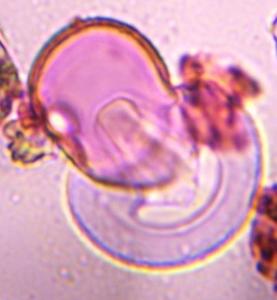
Spherical to slightly oval grain with a thin, smooth to faintly granular wall and no clear pores or furrows. Grains often rupture or fold on a wet mount, leaving a crescent or kidney outline.
Typical published size: 20–30 µm
Commonly confused with
- Cypress and arborvitae pollen — effectively identical under a light microscope
- Ruptured grass pollen — retains a ringed pore
Allergy relevance
Strongly allergenic and unusual in peaking in winter. Cedar fever can produce intense congestion, sneezing, fatigue and a low-grade feverish feeling.
Where it's found
PollyMap has verified specimens of Juniper from Arizona.
Heaviest in central Texas, Oklahoma, New Mexico, Arizona, Nevada and the Colorado Plateau; cypress relatives are planted nationwide.
Also searched as: juniper pollen, cedar pollen, cedar fever pollen, juniperus pollen, mountain cedar pollen.
Related pollen specimens
Citing this specimen: PollyMap Specimen Library. “Juniper — verified microscope specimen.” pollymap.com/library/specimen/juniper-pollen-2f1077
Expert discussion
No published comments yet. If you study palynology or mycology, we'd value your read on this specimen.