
 PollyMap
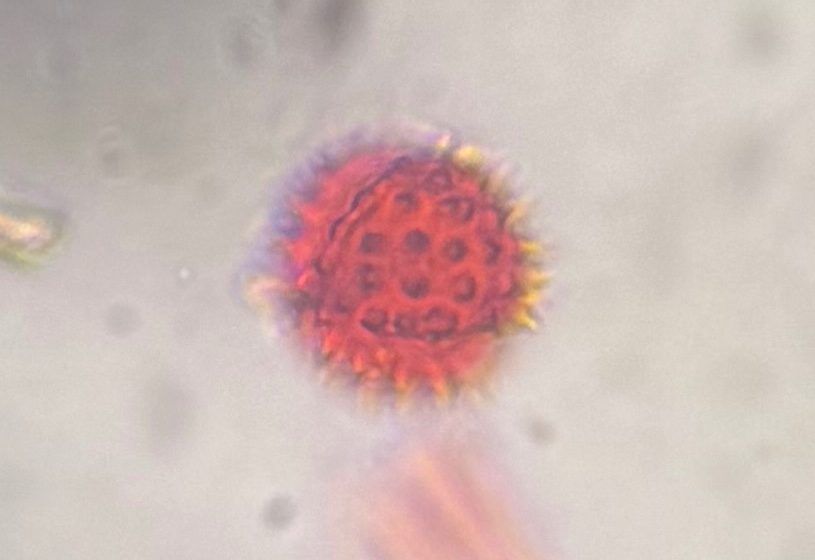
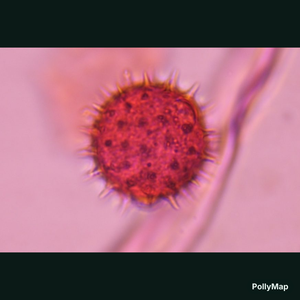
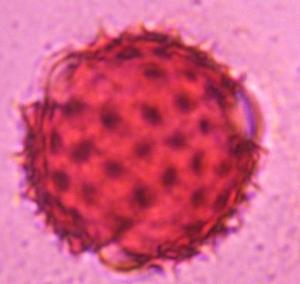
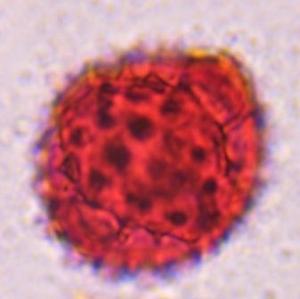
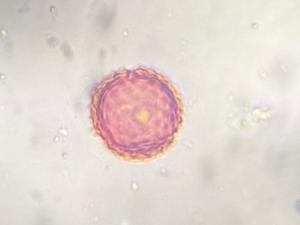
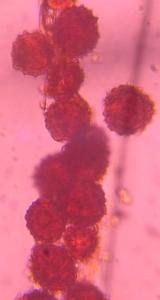
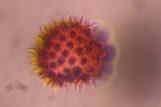
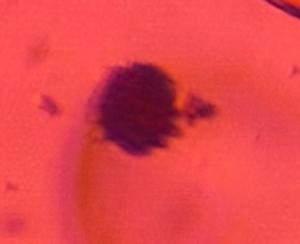
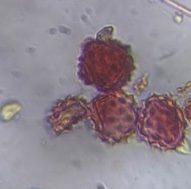
Asteraceae pollen photographed through the microscope in the PollyKit lab — verified in Arizona.
More verified photos of Asteraceae

About sunflower family pollen (asteraceae)
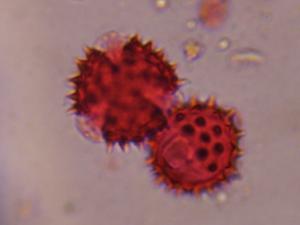
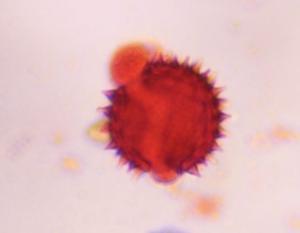
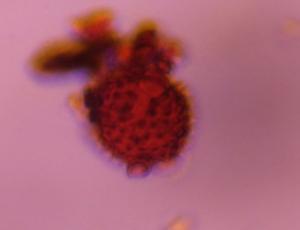
Spiny, three-furrowed pollen from the enormous daisy and ragweed family — the classic 'spiky ball' of pollen photographs.
Plants that produce it
- Ragweeds, burweed and marsh elder
- Sunflowers, brittlebush and desert marigold
- Dandelion, thistle and knapweed
- Sagebrush and mugwort (Artemisia)
How to recognize it
Spherical grain with three furrows and a surface covered in conical spines (echinate). Spine length, spacing and wall thickness are what separate the wind-pollinated allergy species from the insect-pollinated ornamentals.
Typical published size: 18–35 µm
Commonly confused with
- Artemisia — much shorter, blunter spines and thicker wall
- Ragweed — longer, sharper spines than most garden composites
Allergy relevance
Varies widely within the family. Wind-pollinated members such as ragweed and sagebrush are strongly allergenic; insect-pollinated ornamentals rarely reach the air in quantity.
Where it's found
PollyMap has verified specimens of Asteraceae from Arizona.
Across every US state in some form.
Also searched as: asteraceae pollen, sunflower family pollen, ragweed family pollen, composite pollen, spiny pollen microscope.
Related pollen specimens
Citing this specimen: PollyMap Specimen Library. “Asteraceae — verified microscope specimen.” pollymap.com/library/specimen/asteraceae-pollen-5bf007
Expert discussion
No published comments yet. If you study palynology or mycology, we'd value your read on this specimen.