
 PollyMap
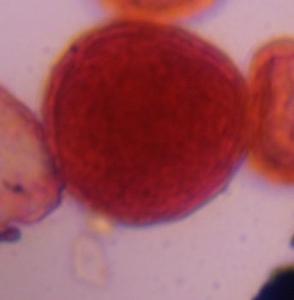
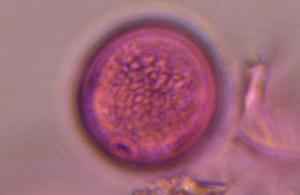
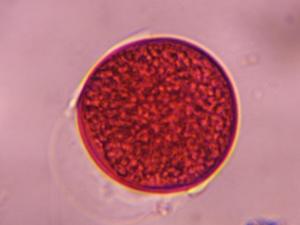
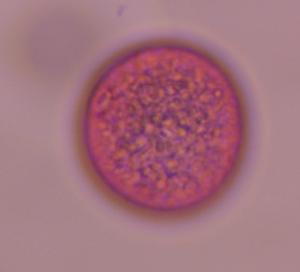
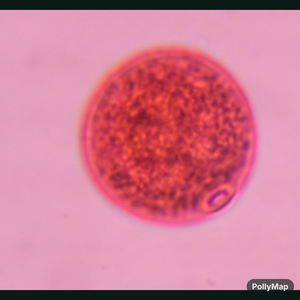
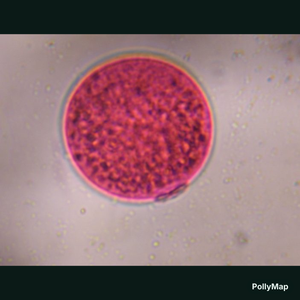
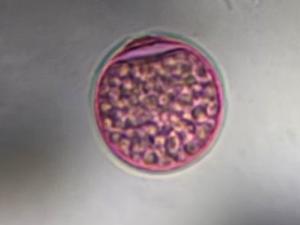
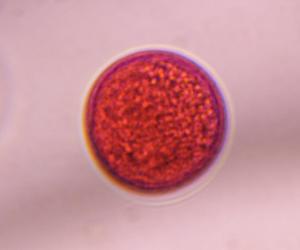
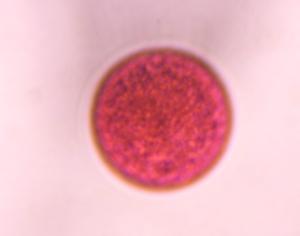
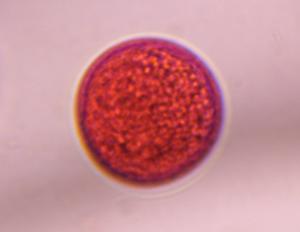
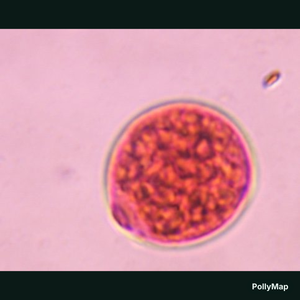
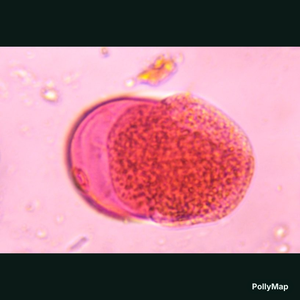
Poaceae pollen photographed through the microscope in the PollyKit lab — verified in Arizona.
More verified photos of Poaceae
About grass pollen (poaceae)
The plain, single-pored pollen shared by every true grass — and the single most common cause of hay fever worldwide.
Plants that produce it
- Bermuda grass (Cynodon dactylon) on lawns and roadsides
- Ryegrass and fescue in cool-season turf
- Johnson grass, bluegrass and timothy in fields
- Ornamental fountain and pampas grasses
- Corn, wheat, oats and other cereal crops
How to recognize it
Round to broadly oval grain with one single circular pore ringed by a thickened annulus, and an otherwise smooth, featureless wall. The grains are usually very uniform, which is itself a clue.
Typical published size: 25–40 µm
Commonly confused with
- Cattail and sedge pollen — pores are less sharply ringed and grains cluster
- Some smut spores — darker, thicker-walled and without a true pore
- Palm pollen — elongate with a furrow rather than a round pore
Allergy relevance
Highly allergenic. Grass pollen accounts for a large share of all diagnosed seasonal allergy, with sneezing, nasal itch, eye irritation and asthma symptoms. Grass species cross-react heavily with one another, so identification below family level rarely changes treatment.
Where it's found
PollyMap has verified specimens of Poaceae from Arizona.
Every US state. Warm-season grasses such as Bermuda dominate the South and Southwest and can release pollen over many months.
Also searched as: grass pollen, poaceae pollen, bermuda grass pollen, grass pollen under microscope, grass pollen image.
Related pollen specimens
Citing this specimen: PollyMap Specimen Library. “Poaceae — verified microscope specimen.” pollymap.com/library/specimen/poaceae-pollen-d53124
Expert discussion
No published comments yet. If you study palynology or mycology, we'd value your read on this specimen.